
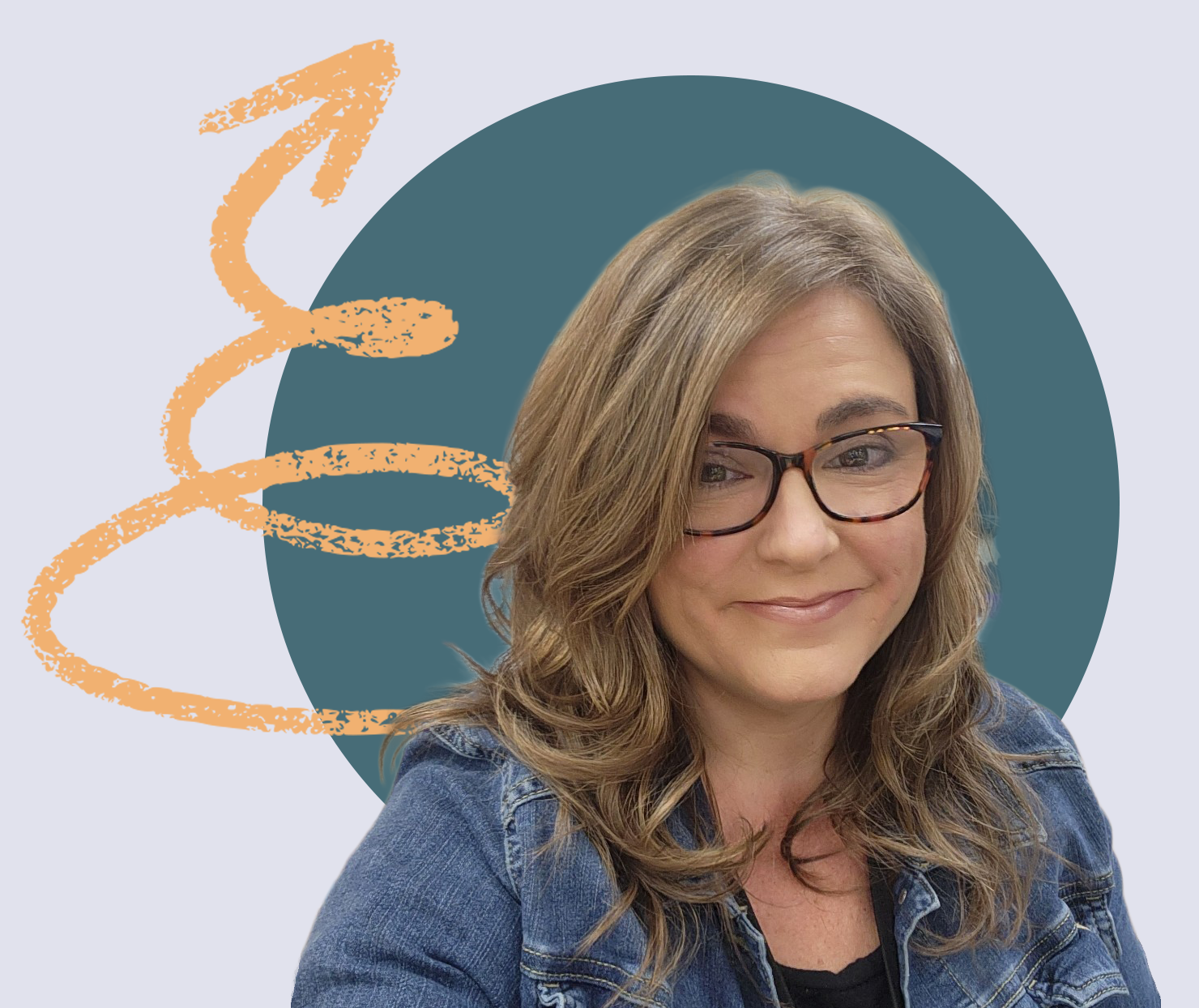
About Amy Hinsley
Executive Function & ADHD Support for Neurodivergent Teens and Young Adults
When bright, capable teens and young adults are still struggling to move forward, it’s not about effort.
It’s about support that fits how their brain, body, and life actually work.
I’m Amy Hinsley, and my work is grounded in a simple belief:
Neurodivergent brilliance deserves insight-driven, radically human support.
-
EDUCATION
MA, Special Education – Appalachian State University
BA, Psychology (Minor in Communications) – Clemson University
LICENSURE
North Carolina K–12 Exceptional Children
English Language Arts (Middle & High School)
PROFESSIONAL EXPERIENCE
20+ years teaching in public schools
I/DD Case Manager, The Arc of North Carolina
Early work with TEACCH
Leadership in autism-focused summer programming
ADDITIONAL TRAINING
200-hour Yoga Teacher Training – Lighten Up Yoga
Ongoing study in nervous system science and regulation
The Problem I Couldn’t Ignore
Early in my career, I worked with a bright, motivated college student through the TEACCH Program at Appalachian State University. And I could not help him.
Not because he wasn’t intelligent. Not because he didn’t care. But because he didn’t have the underlying executive function and regulation support he needed to succeed.
For over two decades—as a special education teacher, case manager, and inclusion leader—I watched highly intelligent students struggle not with content, but with the hidden curriculum of school.

These students needed explicit instruction in:
Executive functioning
Emotional regulation
Social navigation
Planning, starting, prioritizing, persisting
Sometimes schools taught these skills. Often, they didn’t.


When It Became Personal
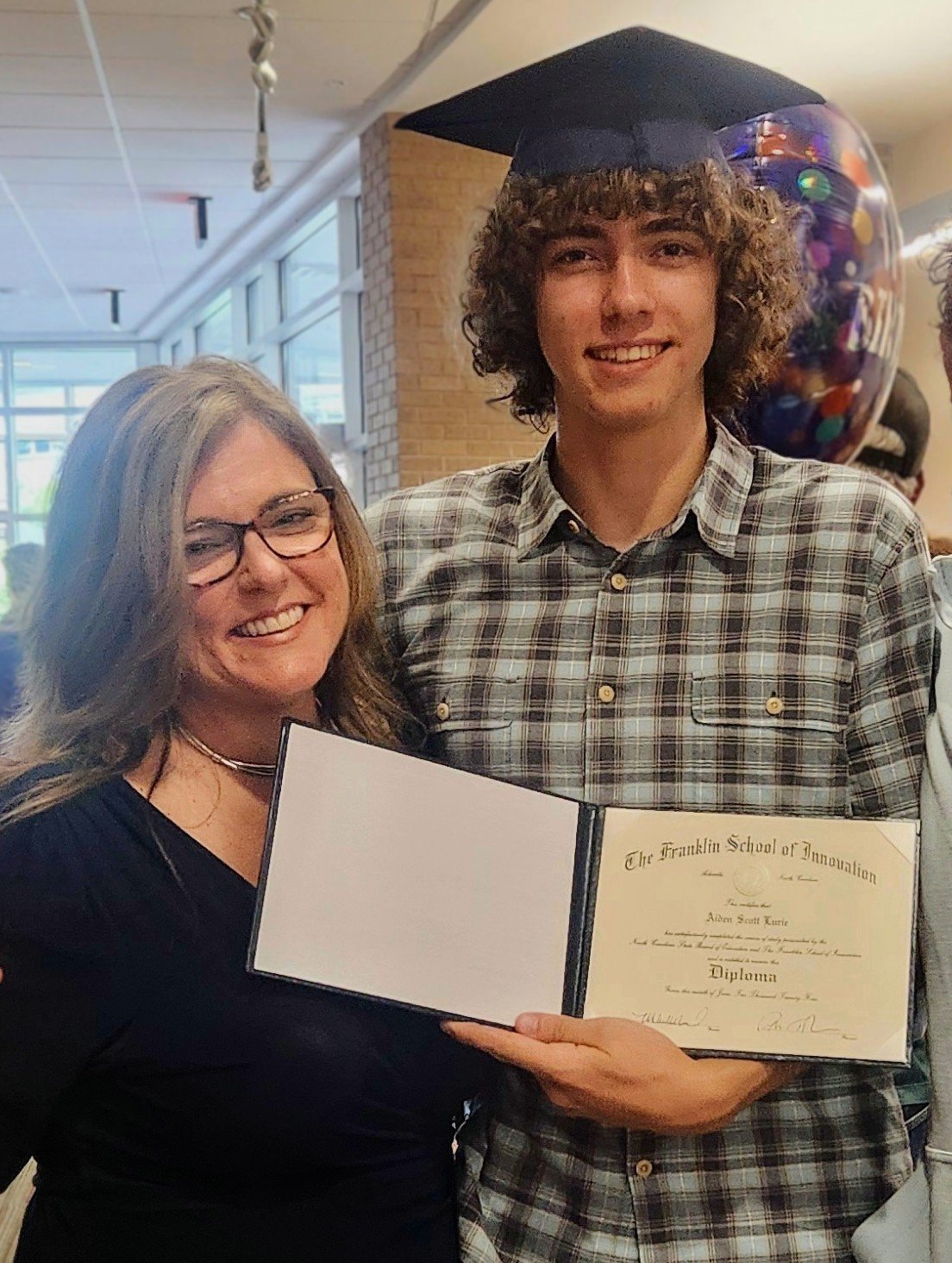
As a woman with ADHD—and the parent of a neurodivergent young adult—I know the gap between knowing and doing.
By my son’s sophomore year of high school, love and advocacy were no longer enough. He said:
“Living inside my head is like living with a toddler driving.”
That moment mattered—not because he was struggling, but because he noticed.
What changed everything wasn’t pressure or fixing. It was relationship, insight, and structured support from a trusted adult outside our family. I remember thinking:
Why does this kind of executive function support arrive so late—if at all?
So I built the support I couldn’t find.
Executive Function Coaching That Builds Real Independence.
This is not about compliance. It’s about capability.
I help neurodivergent teens and young adults:
Strengthen executive functioning skills
Build real-life systems for independence
Develop regulation strategies that honor their neurodivergent wiring
Move from being managed to becoming self-directed

My approach is high-touch, strength-based, and relationship-centered—supporting the transition from high school to college, work, and adult independence.
A Guide for the Transition to Adulthood
In this work, your teen is the hero.
My role is the guide—bringing structure, insight, and accountability at the exact moment when parents are meant to step back, but support is still essential.
You don’t need more pressure. You need support that fits.